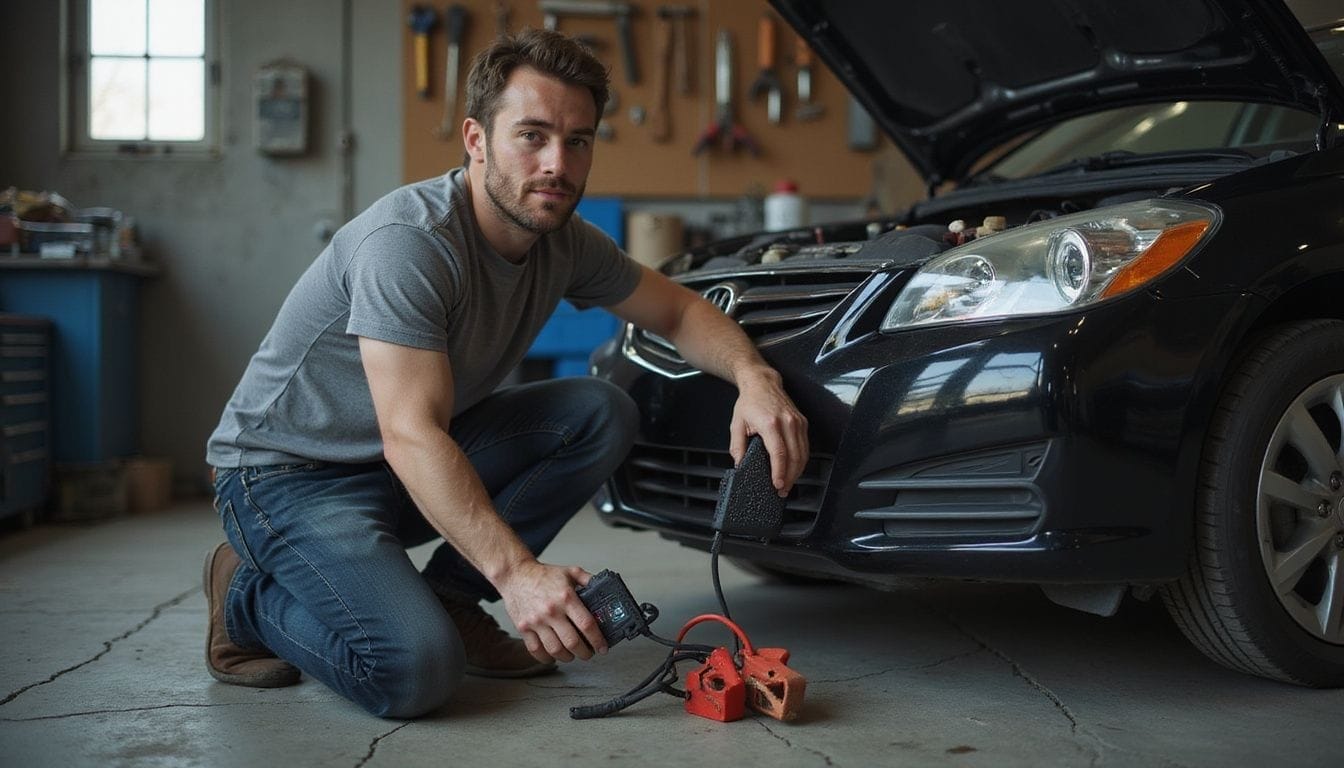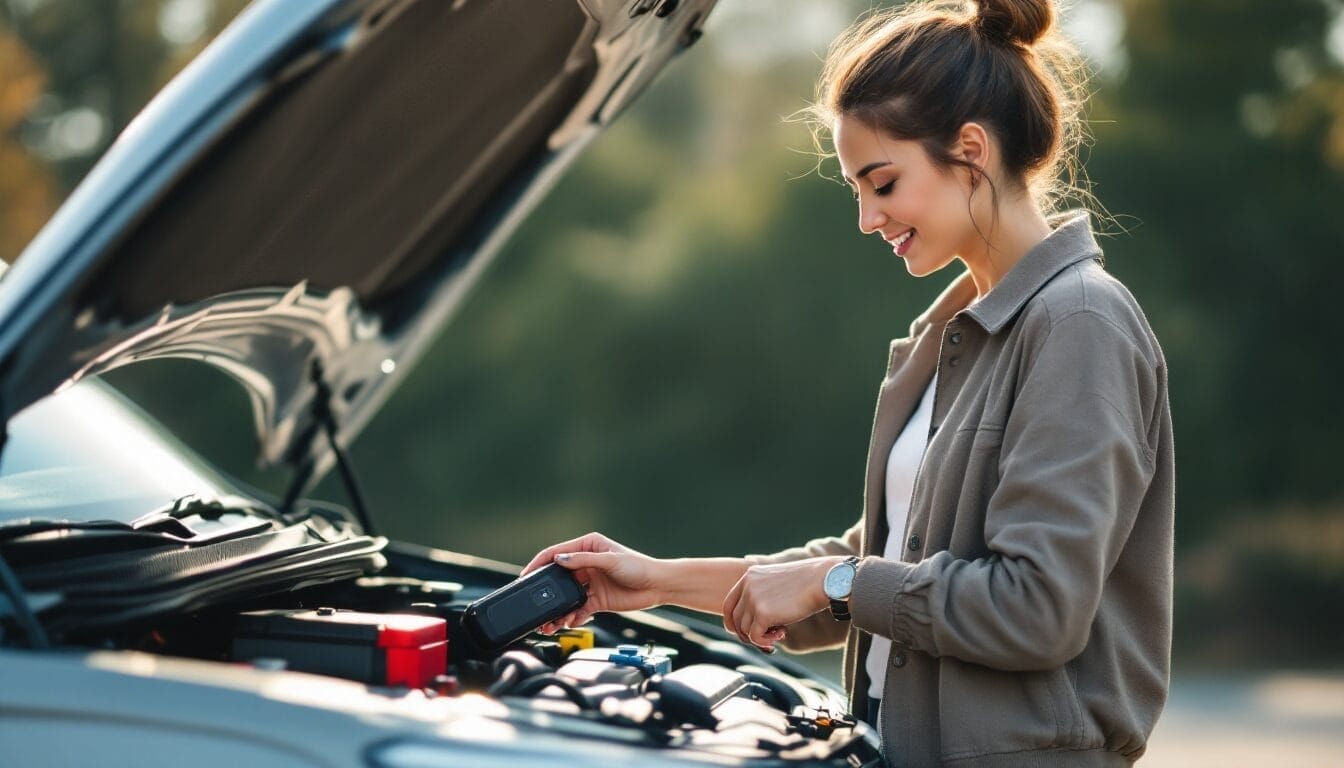
If your car will not start, you may wonder how long a jump starter takes to charge a car battery. A jump starter can get your vehicle moving in less than a minute, but it takes several hours to fully recharge the battery.
This post explains charging time, portable power options, and why battery capacity matters for car owners. Keep reading to learn simple tips for using and caring for your jump box.
Table of Contents
Key Takeaways
- A jump starter can start your car in less than a minute, but it takes 4 to 7 hours to fully recharge its own battery afterward.
- Jump starters do not fully charge a dead car battery; they only provide enough power for a quick engine boost.
- Charging time depends on device size, battery capacity, the condition of your car’s battery, and ambient temperature.
- Always check your jump starter’s user manual for specific charging times and safe use tips (for example, Clore Automotive suggests six seconds per crank with three minutes rest).
- Proper maintenance—like regular charging and safe storage—keeps the jump starter ready for emergencies.
Understanding Jump Starters and Car Batteries
Jump starters provide a quick way to revive dead batteries. Car batteries store energy to power your vehicle’s electrical system.
What is a jump starter?
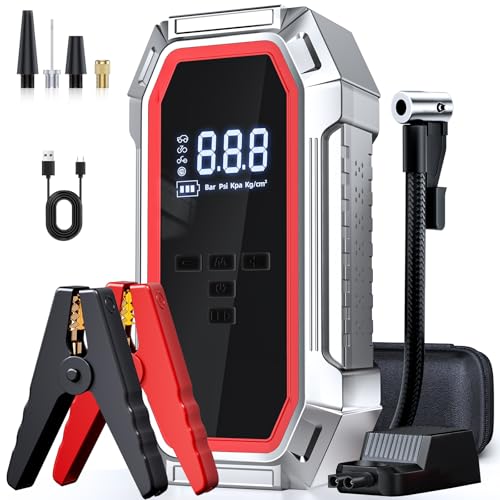
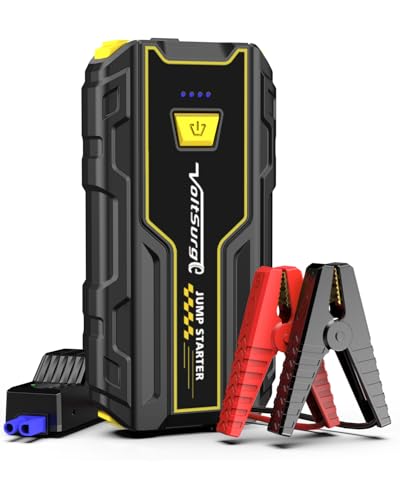
A jump starter is a portable power tool that helps start vehicles with dead batteries. It connects to your car’s electrical system, supplying the necessary voltage and current to boost the vehicle battery.
Most jump starters can jump-start a car in less than a minute. However, they may require several hours to recharge fully.
These devices come in various sizes and capacities. Smaller models may charge quicker but offer less power output for larger vehicles. A typical wall-powered charger runs at 15-30 amps during charging mode.
The user manual often provides specific guidance on how long it takes to charge each model effectively.

What is a car battery?
A car battery stores energy and supplies power to start your vehicle. It powers the engine, lights, and electronics. Most car batteries are lead-acid types that work with chemical reactions to produce electricity.
These batteries can become dead if you leave your lights on or if they age.
Charging a dead battery usually requires a jump starter or a wall charger. A portable jump starter can quickly get your vehicle running again in less than a minute. However, it may take several hours to fully charge the battery afterward.


Charging times vary based on the type of charger used and the capacity of both the jump starter and the car battery. Proper maintenance ensures that your vehicle’s battery remains healthy for longer periods.
Types of jump starters
Jump starters come in different types to suit various needs. Each type offers unique features that can help you tackle dead batteries easily.
- Portable Jump Starters: These compact devices provide a quick boost to your vehicle battery. They usually have built-in batteries and work without needing another car.
- Jump Starter with Air Compressor: This option combines a jump starter with an air compressor for inflating tires. It’s perfect for emergencies, saving space in your trunk while giving you two essential tools.
- Heavy-Duty Jump Starters: Designed for larger vehicles, these jump starters have higher power capacities. They can handle trucks or SUVs effectively, charging them quickly when needed.
- Lithium-Ion Jump Starters: Lightweight and powerful, lithium-ion models charge fast and are easy to store. They hold their charge longer than traditional lead-acid batteries.
- Lead-Acid Jump Starters: These heavier units use lead-acid technology but are reliable for frequent use. They often take longer to charge than other types but offer good performance.
- Solar-Powered Jump Starters: These eco-friendly options harness sunlight to recharge themselves. They are great for outdoor enthusiasts who need power on the go.
- Multi-Function Devices: Some jump starters come packed with added features like USB ports and flashlight capabilities. They serve as portable power supplies during emergencies while keeping your devices charged.
Choose the right jump starter based on your needs and be prepared for any car troubles that may arise on the road!
How Long Does It Take to Charge a Car Battery with a Jump Starter?
Using a jump starter can quickly revive a dead car battery. The charging time varies based on the jumper’s power and the battery’s condition.
Methods to Charge a Car Battery
Charging a car battery can happen in several ways. Different methods yield various results depending on the tools available.
- Use a portable jump starter. A jump starter can quickly boost your vehicle battery, usually in less than a minute. This method works well for starting a dead battery, but may not fully charge it.
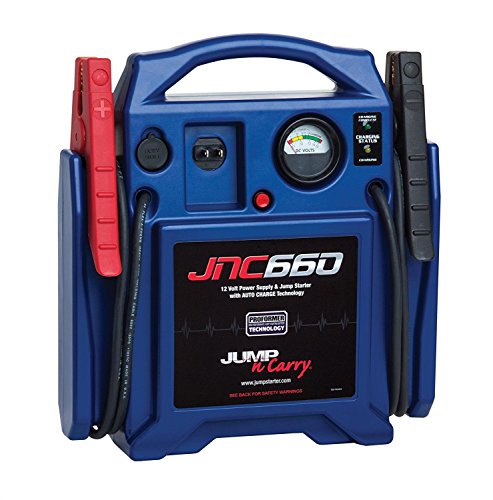
- Connect to a wall-powered charger. Most wall chargers run at 15-30A in charging mode and take several hours to charge a dead car battery completely. This method offers steady power and is ideal for longer charging times.
- Jump-start with another vehicle. You can use jumper cables to connect your car battery to another working vehicle’s battery. This process takes just minutes but requires careful handling of both batteries.
- Choose solar chargers if you are looking for an eco-friendly option. Solar chargers work best when you have plenty of sunlight, as they convert sunlight into electrical energy to recharge your battery gradually.
- Utilize an automotive maintenance tool like a trickle charger or smart charger. These devices provide low-level current over time, allowing you to maintain your car’s battery without overcharging it.
- Follow the manufacturer’s guidelines from the user manual for specific charging times tailored to your jump starter model or battery specifications.
- Allow some time for partially charged batteries if you are using a portable jump starter on them, since it may take several hours to make any noticeable difference in their charge level.
- Do not exceed recommended duty cycles when using certain jump starters, such as Clore Automotive models; follow the guideline of six seconds of cranking followed by three minutes of rest between attempts.
- Investigate charging options while troubleshooting convenience issues; knowing how long each method takes will help you choose the right one when in need of immediate assistance with your car troubles.
- Combine multiple methods for efficiency; for example, start your engine with a jump starter and switch immediately to a wall-powered charger once the engine runs smoothly for maximum effectiveness during emergencies.
These methods give car owners and DIYers straightforward ways to tackle dead batteries head-on while ensuring their vehicles stay ready whenever needed.


Factors Affecting Charging Time
Charging a car battery with a jump starter depends on several factors. Understanding these factors can help you manage your expectations.
- The size of the jump starter impacts charging time. Larger jump starters usually have bigger batteries and provide more power, speeding up the process.
- Battery capacity plays a crucial role in how quickly you can charge a car battery. A higher capacity means it holds more energy, but it may take longer to fully charge.
- Charging methods also matter. Wall-powered chargers operate at 15-30A, which can significantly reduce the time needed to charge a dead car battery.
- The condition of the vehicle battery affects charging time, too. If the car battery is severely drained or damaged, it will take longer to recharge effectively.
- Ambient temperature influences charging efficiency. Extreme cold or heat can slow down charging, making it less effective than in moderate temperatures.
- Most portable jump starters require time to recharge themselves after use. It typically takes about four to seven hours to fully charge a portable jump starter after boosting a vehicle.
- Each jump starter has its own specifications for charging times; consulting the user manual provides essential information tailored for that particular model.
- Following recommended duty cycles helps optimize performance as well; for instance, Clore Automotive suggests six seconds of cranking followed by three minutes of rest during each start attempt.
Understanding these factors allows you to make better decisions when troubleshooting car issues or choosing your automotive tools for emergency starts and battery maintenance.
Safety Precautions
Safety comes first when using a jump starter. Always read the instructions carefully before starting the process to avoid accidents.
Important precautions while using a jump starter
A jump starter provides a quick way to start a dead car battery. Following precautions helps ensure safe and effective use.
- Always read the user manual before using your jump starter; it includes important safety information and charging time recommendations for optimal performance.
- Inspect both the jump starter and vehicle battery for damage before connecting them; avoid using any equipment with frayed cables or cracks.
- Wear protective gear, like gloves and safety goggles, while handling batteries; this protects against acid splashes or sparks.
- Ensure the vehicle is in park or neutral with the parking brake engaged; this prevents accidental movements during the process.
- Connect cables in the correct order: positive to positive, negative to ground; incorrect connections can cause sparks or damage both batteries.
- Avoid touching cable clamps together after connection; doing so can cause shorts and possible explosions.
- Allow adequate time for the jump starter to charge a dead car battery; expect several hours for full charging based on your specific model’s capacity.
- Keep children and pets away from the area while using a jump starter; their safety is paramount when working with electrical devices.
- Charge your portable power unit regularly, as most models take 4 to 7 hours for a full charge; proper maintenance keeps it ready for emergencies.
- Turn off all electronics in the vehicle before starting; this reduces strain on both batteries during the jump-start process.
Following these precautions will help ensure that you safely use your jump starter and effectively troubleshoot car troubles related to dead batteries.
Precautions while charging a car battery with a jump starter
Charging a car battery with a jump starter requires caution. Follow these precautions to ensure safety and effectiveness.
- Always check the user manual for specific charging instructions related to your jump starter.
- Wear safety goggles and gloves to protect yourself from splashes or sparks.
- Ensure the area around the battery is well-ventilated to reduce the risk of gas buildup.
- Disconnect any electronic devices from the car before beginning the charging process.
- Avoid crossing the jumper cables to prevent shorts or electrical fires.
- Keep flammable materials away from the charging area as they can ignite easily.
- Monitor the jump starter’s temperature; if it gets too hot, turn it off immediately.
- Limit cranking time for a jump start to six seconds, followed by three minutes of rest, as suggested for Clore Automotive jump starters.
- Position yourself safely away from moving parts when starting the vehicle after connecting the jump starter.
- After use, store your portable power unit according to manufacturer guidelines for optimal battery maintenance.
Maintaining and Caring for a Jump Starter
Regularly check your jump starter for proper function. Store it in a cool, dry place to extend its lifespan.
Regular maintenance tips
A jump starter requires proper maintenance to ensure it works effectively. Following these tips will help you keep your device in top shape.
- Charge your jump starter regularly. An uncharged unit might not function when you need it most. Most jump starters take 4 to 7 hours to charge fully, depending on their size and battery capacity.
- Store the jump starter in a cool, dry place. Avoid exposing it to extreme temperatures or moisture, as this can damage the internal battery.
- Check the connections often for signs of corrosion or dirt. Clean any build-up to maintain optimum conductivity.
- Test your jump starter every few months. Doing this ensures the power supply remains effective for emergency starts.
- Follow the user manual for specific care instructions regarding charging times and recommended usage cycles.
- Keep your jump starter away from direct sunlight while charging or storing it. Sunlight can heat up the device and degrade its components over time.
- Inspect cables and clamps frequently for wear or tear. Replacing damaged parts helps prevent poor connections during use.
- Avoid overusing the jump starter during one session; follow Clore Automotive’s guideline of six seconds of cranking followed by three minutes of rest.
- Ensure you have a compatible charger that suits your device’s specifications to avoid any power issues during charging.
- Stay informed about updates or recalls related to your specific jump starter model, as manufacturers may offer important safety information that can enhance battery maintenance efforts.
Proper storage practices
Store your jump starter in a cool, dry place. Avoid extreme temperatures that can harm the battery. Keep it in its original case if possible. This helps prevent damage and dirt accumulation.
Check the user manual for specific storage advice related to your model.
Ensure that you charge the portable jump starter regularly, especially if you do not use it often. Most jump starters take about 4 to 7 hours to fully charge; do not wait until it’s low on power to recharge it.
Proper battery maintenance extends the life of your equipment and keeps it ready for emergency starts when needed.
Conclusion
Charging a car battery with a jump starter can take time. A jump starter may only need seconds to start your car, but it could require several hours to charge the battery fully. Most portable jump starters charge quickly, depending on their size and capacity.
Check your manual for specific charging times related to your model. With proper care and maintenance, you can keep your jump starter ready for emergencies.