


Dead car batteries have a way of picking the worst moments—at home before work, late at night, or in a cold parking lot. Sitting behind the wheel and hearing nothing but a click when you turn the key can be stressful. That’s where a jump starter comes in. Having one tucked in your trunk means you don’t need to rely on strangers, wait for roadside assistance, or drag out heavy jumper cables. In this post, you’ll find out exactly what is a jump starter, how it works, and why it’s one tool every driver should have handy.


What is a Jump Starter?
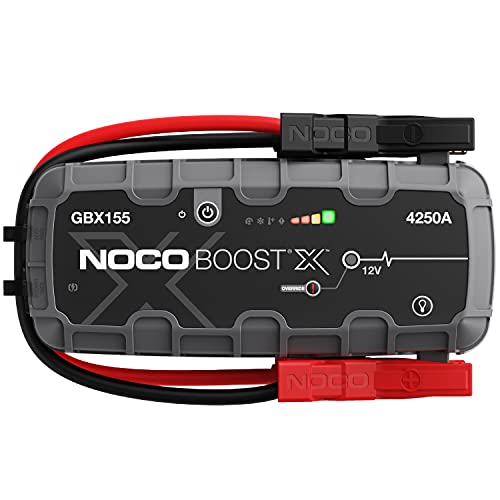
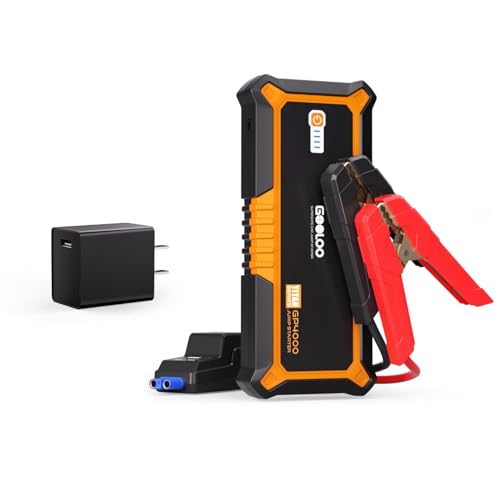
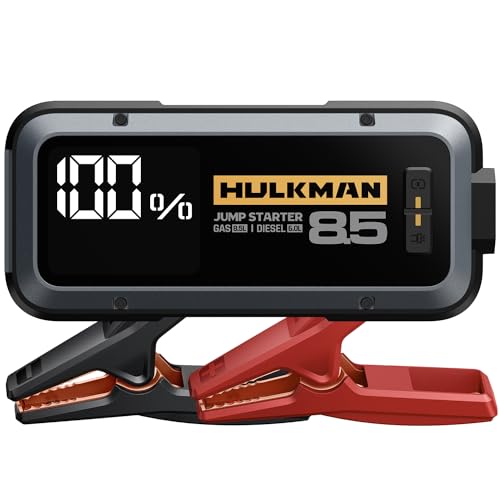
A jump starter is a compact, portable device designed to give a dead car battery the boost it needs to turn over the engine. Imagine the old days of flagging someone down and fumbling with jumper cables between two cars. A portable jump starter, sometimes called a car battery jump starter or battery jump starter, packs the same punch as another car’s battery, wrapped up in a carry-anywhere package.
Instead of depending on someone else’s vehicle, you use the jump starter’s built-in battery to jump your own car—anytime, anywhere. Options like the portable jump starter have exploded in popularity, thanks to how much easier and safer they are compared to traditional jumper cables.
Other common names for these tools include:
- Car jump starter
- Portable jump starter
- Car battery jump starter
- Battery booster pack
Types of Jump Starters

Not every jump starter is built the same. Here are the main types you’ll see:
1. Traditional Jumper Cables:
Just cables, no battery. You still need another car close by to supply power.
2. Portable Battery Jump Starters:
The most popular pick. These battery jump starters are standalone units. They’re light, simple to use, and fit in your glove box or under a seat.
3. Advanced Jump Starters:
These features include extras such as USB charging ports, built-in flashlights, or even emergency beacons. Some can power laptops or inflate a tire. Most people are best off with a portable jump starter for cost and convenience.
When Do You Need a Jump Starter?
A dead battery can surprise anyone, not just folks with older cars. Real-life situations where a jump starter saves the day include:
- Heading out for work on a frosty morning and hearing only silence.
- Coming back from a movie to a dark parking lot, and your car won’t start.
- Accidentally leaving your headlights or an interior light on overnight.
- Stalling on the road with no one nearby to help.
Having a jump starter means you never get stuck waiting or looking for a good Samaritan. If you drive in areas with harsh winters or long stretches without traffic, it’s a true lifesaver.
How Does a Jump Starter Work?
A jump starter holds a charge in its internal battery. When your car’s battery is dead, the jump starter feeds power directly to your car’s battery with heavy-duty clamps. This quick shot of energy gets the motor spinning, letting your car start as normal. After that, your alternator takes over to recharge the battery while you drive.
For those who want the nitty-gritty of how jump starters work, Cobra has a thorough breakdown. In short, a jump starter acts as a backup battery, delivering a fast, high current to jolt your car back to life.
Step-by-Step: Using a Portable Jump Starter
Using a portable jump starter is much simpler than wrangling jumper cables. Here’s a beginner-friendly set of steps:
A more detailed guide is available in this how-to article on using a jump starter.
Safety Precautions and Pro Tips

Here’s how to safely use and get the best out of your car jump starter:
- Read your jump starter’s manual. Each model has different safety features.
- Double-check clamp placement. Never let the clamps touch each other.
- Avoid sparks by making clean, firm connections.
- Charge your jump starter every 3-6 months, even if you haven’t used it, especially in cold weather.
- Store it in a cool, dry place. High temperatures drain battery life.
- Buy the right size. Make sure your jump starter matches (or exceeds) your engine’s size in amps or volts.
- Stay outside while charging. Don’t run your car in a closed garage to avoid carbon monoxide.
More community insights can be found in simple explanations like this Reddit thread on how jump-starting works.
Conclusion
Flat batteries don’t care about convenience, but with a portable jump starter, you’re always ready to get moving. These compact lifesavers are easy to use, store, and recharge, giving peace of mind from home driveways to quiet mountain roads. Reliable, affordable, and straightforward, a battery jump starter is one item that belongs in every car emergency kit. You never know when you’ll need it, but you’ll be glad it’s there when you do.


